
  • X
  • Facebook
  • YouTube

Top header menu

  • Sign up to our mailing list
Home
  • Themes
      1. A New Economic Model
      2. Wages and Incomes
      3. Employment and Job Quality
      4. Climate and the Just Transition
      5. Taxes and the Welfare State
      6. Understanding the Labour Market
  • Our Work
      1. Research
      2. Blog
      3. The NERI videos series
      4. Learning about our economy
      5. Media
      6. Visualising our economy
  • Dashboards
      1. Broad sectors
      2. Subsectors
  • Events
      1. External event contributions
  • About
      1. Our team
      2. Our supporters
      3. Charities Governance Code
  • Contact

Topics

  • A New Economic Model
  • Wages and Incomes
  • Employment and Job Quality
  • Climate and the Just Transition
  • Taxes and the Welfare State
  • Understanding our Labour Market

UK recovery still unbalanced and unstable

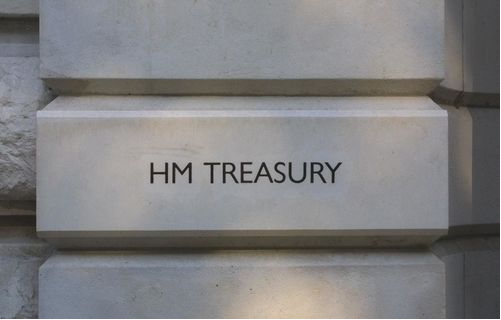
hmt
Blog
 December 
3,
 2014
Profile picture for user Paul Mac Flynn
  By Paul Mac Flynn

Chancellor George Osborne's Autumn Statement contained few new announcements and some decidedly grim long-term trends for the UK economy. There were further details given on pre-announced infrastructural spending on house building, roads and rail in addition to earmarked funding for established science and research. The chancellor also outlined a major reform to the way stamp duty is levied in the United Kingdom, removing the "cliff edge" that exists as the price of a property moves between established bands. While reform of this tax is welcome, it could be perceived as a further attempt to boost house prices and activity in teh market. It is estimated that the cost of this policy will be in the region of £800m annually. Air passenger duty was also reduced along with a continuing freeze in fuel duty. There were small uprates to the personal tax allowance and the higher rate band.


The Office for Budget Responsibility's forecasts were also published which confirmed that the UK's GDP would grow by 3% IN 2014. While the OBR figures for 2014 and 2015 have been upgraded since the Budget, the figures for the years 2016-18 have been downgraded. The downward revision casts uncertainty over the future of the UK economy and the sustainability of its current growth path. While government borrowing will fall this year, the deficit is forecast to be higher than at the time of the Budget owing to reduced revenues. In particular the fall-off in income tax revenues raises serious concerns about the growth of low-paid employment across the United Kingdom. On wages, the OBR forecast that they will not return to their pre-crisis levels in the next five years. Additionally the government's spending plans will see spending frozen in 2019-20 indicating real terms cuts for the entire of the next Parliament.


The significant announcement for Northern Ireland was that the government would legislate to devolve corporation tax powers to Northern Ireland within this parliament, in the event that agreement is reached by political parties in the current round of talks. Given that this talks process also seeks agreement on the implementation of Welfare Reform it seems likely that the impact on NI's public finances from any reduction in corporation tax will face more intense scrutiny. The full cost of any reduction in corporation tax will have to be met by reductions in expenditure on public services in Northern Ireland. Given the scale of the most recent round of cuts announced in the Northern Ireland Draft Budget 2015-16 and the prospect of another spending round reductions from 2016, the cost of cutting corporation tax would prove unsustainable.


Beyond public finance concerns the ability of a reduction in the rate of corporation tax to deliver significant extra economic activity is highly questionable. The nature of the corporation tax base in the Republic of Ireland makes direct comparisons between the corporation tax rates in the two regions inappropriate. Furthermore international opinion is moving against this kind of aggressive tax competition, as evidenced by the OECD announcements earlier this year.


As outlined in the forthcoming NERI Winter QEO, the key to building jobs and boosting wages and productivity in Northern Ireland is through investment in our industrial base. Identifying and supporting key innovation challenges in growth sectors of the economy is the more sustainable, efficient and equitable way to build prosperity.

Profile picture for user Paul Mac Flynn

Paul Mac Flynn

Paul Mac Flynn is co-director of the Nevin Economic Research Institute and is based in the Belfast office. In addition to managing the Belfast office he has co-responsibility for the NERI's research programme and for its strategic direction.  

He leads on the NERI’s analysis of the Northern Ireland economy along with all research into the impact of the United Kingdom‘s departure from the European Union. Other research areas include regional productivity, the all-island economy and the future of work.

He is a graduate of University College Dublin with a BA in Economics and Politics and the University of Bristol with an MSc in Economics and Public Policy, specialising in the economic impacts of political devolution in the UK.

Contact: [email protected] or 00 44 28 9024 6214.

Upcoming events

Wed, Sep 16 2026, 3:30 - 4:30pm
The Irish labour market: Recent developments and future growth
Online Zoom event
Thu, Oct 8 2026, 3:30 - 4:30pm
The Budget 2027: NERI Post Budget Analysis
Online Zoom event
Wed, Nov 11 2026, 3:30 - 4:30pm
European Attitudes to Basic Income: exploring women's perspectives
Online Zoom event

Latest

It’s wrong to assume that job quality is the enemy of job creation
job quality
A number of business organisations recently wrote to the Economy Minister...
New Labour Market Entrants, earnings, housing costs and living standards in 2024
Man and savings
This Research InBrief by NERI economist, Ciarán Nugent examines trends in...
Progress in Pay, But Not in Participation or Progression
money
Some of the results move in the right direction, but overall the picture is one...

Breadcrumb

  1. Home
  2. Blog
  3. UK recovery still unbalanced and unstable

Subscribe to our Mailing list

  • X
  • Facebook
  • YouTube
Logo

The Nevin Economic Research Institute is a Registered Charity since the 1 August 2013 with the Charity Number - 20082130.

Privacy and Cookies

We use necessary cookies to make our site work. We also use analytics cookies without user tracking to help us improve our site.

Cookie Policy | Privacy Statement

Website design and development by Infobo.

Contact us

  •  Address: 31/32 Parnell Square, Dublin 1, Ireland
  •  Telephone: +353 1 8897722
  •  Email: [email protected]
  •  Address: 45-47 Donegall Street, Belfast BT1 2FG
  •  Telephone: +44 28 902 46214
  •  Email: [email protected]
Copyright © 2025 Nevin Economic Research Institute. All rights reserved.

Footer

  • Contact
  • Privacy
  • Cookie policy
  • Themes
    • A New Economic Model
    • Wages and Incomes
    • Employment and Job Quality
    • Climate and the Just Transition
    • Taxes and the Welfare State
    • Understanding the Labour Market
  • Our Work
    • Research
    • Blog
    • The NERI videos series
    • Learning about our economy
    • Media
    • Visualising our economy
  • Dashboards
    • Broad sectors
    • Subsectors
  • Events
    • External event contributions
  • About
    • Our team
    • Our supporters
    • Charities Governance Code
  • Contact
Clear keys input element