
  • X
  • Facebook
  • YouTube

Top header menu

  • Sign up to our mailing list
Home
  • Themes
      1. A New Economic Model
      2. Wages and Incomes
      3. Employment and Job Quality
      4. Climate and the Just Transition
      5. Taxes and the Welfare State
      6. Understanding the Labour Market
  • Our Work
      1. Research
      2. Blog
      3. The NERI videos series
      4. Learning about our economy
      5. Media
      6. Visualising our economy
  • Dashboards
      1. Broad sectors
      2. Subsectors
  • Events
      1. External event contributions
  • About
      1. Our team
      2. Our supporters
      3. Charities Governance Code
  • Contact

Topics

  • A New Economic Model
  • Wages and Incomes
  • Employment and Job Quality
  • Climate and the Just Transition
  • Taxes and the Welfare State
  • Understanding our Labour Market

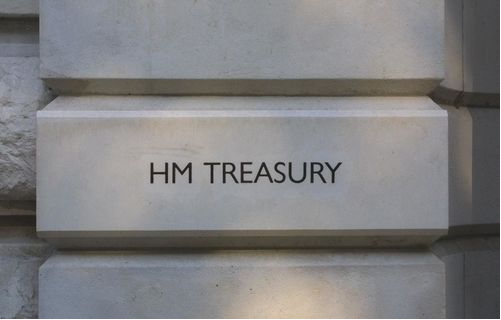
UK Autumn Statement and Spending Review

hmt
Blog
 November 
25,
 2015
Profile picture for user Paul Mac Flynn
  By Paul Mac Flynn

The Autumn Statement delivered today by Chancellor of The Exchequer George Osborne will in all likelihood be remembered for one significant U-turn. The dramatic reversal on planned changes to tax credits represents a big win for opponents of the policy in Westminster and beyond. The total proposed saving from tax credits was to be £4.4bn UK wide. The changes would have affected over 120,000 households in Northern Ireland and would have seen incomes reduced by up to £1600 per annum. At the time of the Summer Budget, the tax credit changes were justified on the basis that other policy announcements would compensate for the loss. Chief among these was the introduction of the National Living Wage. Clearly this proposition has been abandoned and the 2015 NERI Winter Quarterly Economic Observer will outline why the National Living Wage could never have compensate for the loss of tax credits.See here


It is worth emphasising that the changes to tax credits thresholds and taper rates are not abandoned but merely delayed. All those who would have been affected by the changes will still receive a cut when they migrate to Universal Credit. The roll-out of Universal Credit has been dogged by delays and technical problems and the prospects for roll-out in Northern Ireland are even less clear. Furthermore while changes to the threshold and taper rate for tax credits affected the largest number of households and gave rise to the largest drop in income, other changes particularly to Child tax credits will still come into force and the impact of these will be substantial. There were also significant proposals for caps on housing benefit, though it is still unclear the extent to which these will impact on Northern Ireland.


The Chancellor highlighted the recent political agreement reached here in Northern Ireland and gave particular mention to the proposal for a Corporation Tax reduction. However the Stormont Agreement specifies that the cut in corporation tax could only take place if the Executives finances were on a "sustainable footing", which brings us to the block grant and the financial settlement for Northern Ireland.


Over the next four years, Resource DEL is set to fall by 1.3% per year in real terms leading to a cumulative cut of over 5% by the end of this parliament. On Capital Spending the Chancellor announced £600m in funding, and the OBR estimates show CDEL increasing to £1.2bn by 2020. However in cash terms this only brings capital spending back to levels that were last seen in 2009/10. The real terms reduction over this period is likely to be significant.


Overall a significant upward revision to tax receipts and lower debt repayments handed the Chancellor some much needed fiscal breathing space. That he chose to use this to ease some spending cuts and provide further funding in some areas of expenditure is welcome. However the trajectory of government spending is still significantly downward, some welfare changes may have been delayed but they are still planned and a coherent plan to tackle the UK's fundamental weaknesses on skills and productivity is still lacking.


This Autumn Statement was not great, it's just not as bad as it perhaps might have been.

Profile picture for user Paul Mac Flynn

Paul Mac Flynn

Paul Mac Flynn is co-director of the Nevin Economic Research Institute and is based in the Belfast office. In addition to managing the Belfast office he has co-responsibility for the NERI's research programme and for its strategic direction.  

He leads on the NERI’s analysis of the Northern Ireland economy along with all research into the impact of the United Kingdom‘s departure from the European Union. Other research areas include regional productivity, the all-island economy and the future of work.

He is a graduate of University College Dublin with a BA in Economics and Politics and the University of Bristol with an MSc in Economics and Public Policy, specialising in the economic impacts of political devolution in the UK.

Contact: [email protected] or 00 44 28 9024 6214.

Upcoming events

Wed, Sep 16 2026, 3:30 - 4:30pm
The Irish labour market: Recent developments and future growth
Online Zoom event
Thu, Oct 8 2026, 3:30 - 4:30pm
The Budget 2027: NERI Post Budget Analysis
Online Zoom event
Wed, Nov 11 2026, 3:30 - 4:30pm
European Attitudes to Basic Income: exploring women's perspectives
Online Zoom event

Latest

It’s wrong to assume that job quality is the enemy of job creation
job quality
A number of business organisations recently wrote to the Economy Minister...
New Labour Market Entrants, earnings, housing costs and living standards in 2024
Man and savings
This Research InBrief by NERI economist, Ciarán Nugent examines trends in...
Progress in Pay, But Not in Participation or Progression
money
Some of the results move in the right direction, but overall the picture is one...

Breadcrumb

  1. Home
  2. Blog
  3. UK Autumn Statement and Spending Review

Subscribe to our Mailing list

  • X
  • Facebook
  • YouTube
Logo

The Nevin Economic Research Institute is a Registered Charity since the 1 August 2013 with the Charity Number - 20082130.

Privacy and Cookies

We use necessary cookies to make our site work. We also use analytics cookies without user tracking to help us improve our site.

Cookie Policy | Privacy Statement

Website design and development by Infobo.

Contact us

  •  Address: 31/32 Parnell Square, Dublin 1, Ireland
  •  Telephone: +353 1 8897722
  •  Email: [email protected]
  •  Address: 45-47 Donegall Street, Belfast BT1 2FG
  •  Telephone: +44 28 902 46214
  •  Email: [email protected]
Copyright © 2025 Nevin Economic Research Institute. All rights reserved.

Footer

  • Contact
  • Privacy
  • Cookie policy
  • Themes
    • A New Economic Model
    • Wages and Incomes
    • Employment and Job Quality
    • Climate and the Just Transition
    • Taxes and the Welfare State
    • Understanding the Labour Market
  • Our Work
    • Research
    • Blog
    • The NERI videos series
    • Learning about our economy
    • Media
    • Visualising our economy
  • Dashboards
    • Broad sectors
    • Subsectors
  • Events
    • External event contributions
  • About
    • Our team
    • Our supporters
    • Charities Governance Code
  • Contact
Clear keys input element