
  • X
  • Facebook
  • YouTube

Top header menu

  • Sign up to our mailing list
Home
  • Themes
      1. A New Economic Model
      2. Wages and Incomes
      3. Employment and Job Quality
      4. Climate and the Just Transition
      5. Taxes and the Welfare State
      6. Understanding the Labour Market
  • Our Work
      1. Research
      2. Blog
      3. The NERI videos series
      4. Learning about our economy
      5. Media
      6. Visualising our economy
  • Dashboards
      1. Broad sectors
      2. Subsectors
  • Events
      1. External event contributions
  • About
      1. Our team
      2. Our supporters
      3. Charities Governance Code
  • Contact

Topics

  • A New Economic Model
  • Wages and Incomes
  • Employment and Job Quality
  • Climate and the Just Transition
  • Taxes and the Welfare State
  • Understanding our Labour Market

A Budget for the few

hmt
Blog
 March 
19,
 2014
Profile picture for user Paul Mac Flynn
  By Paul Mac Flynn

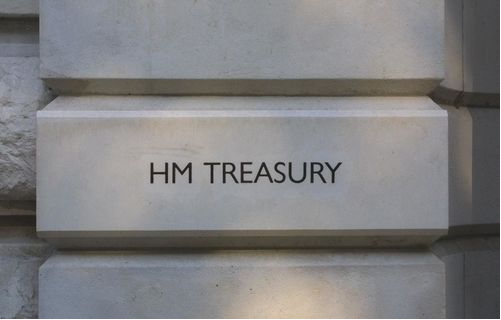
Budget 2014 announced some interesting measures for pensioners and savers but overall the economic strategy remains as it was. Government fiscal policy remains committed to reductions in government expenditure extending to the end of the decade despite serious concerns over the sustainability of the current 'recovery'.


On the overall macroeconomic position, the OBR revised up figures for growth in 2014 and 2015, with slight downward revisions for 2016-2018. The OBR in their report claim that the recent positive growth in GDP is using up spare capacity in the economy and so there is no space to ease off on austerity measures for the public finances. This is a highly subjective and premature analysis. As of now the OBR has the lowest estimate of the output gap (the measure of spare capacity) among all major economic commentators. They have plans this to review how they calculate the output gap. If this review leads to an increase in the output gap and consequently how much spare capacity they calculate is in the economy then their views on austerity are completely undermined.


Figures for the public finances confirm that while the deficit is decreasing the target of eliminating it by the end of this parliament is long gone, and 2019 is now the new deadline. The aim of falling Government Debt to GDP levels is yet another missed target.
On tax, the government continued its policy of increases to the tax-free threshold, bringing it up to £10,500. While this policy is supposedly aimed a low earners it is worth pointing out that it ignores those on incomes below £10,000 and benefits the richest 10% of earners the most.
On savings and pensions, the government has introduced some innovative measures, in particular ending the compulsory purchase of annuities and increasing thresholds for ISA's. These measures will be of little comfort to people who at present are struggling to meet day to day expenditures from greatly reduced wages and who can only dream of earning enough to start saving.


The Chancellor acknowledged that despite much talk of sustained recovery, levels of business investment have not increased to acceptable levels. To this he has offered increased tax-free thresholds to £500,000. However another tax cut for corporations won't be enough to reach the 8% and 9% year on year investment growth that the OBR expects over the next half decade.


Furthermore the Chancellor has sought to reduce commercial energy prices by abandoning the last remaining green initiatives and by lowering the floor price for carbon. This may give the illusion of a boost to business in the short term but there will be a long term price to pay for ignoring climate change.


For Northern Ireland, the creation of an enterprise zone in Coleraine is scant consolation for the loss of 300 DVA jobs in the town only last week. Enterprise zones offer tax rebates and incentives for new businesses but often end up diverting planned investment and deliver poor value for money to the exchequer.


Overall, aside from some help for those who can afford to save, this budget alters little for the economy overall. There was no mention of the continuing erosion of wages or the impact that another five years of expenditure cuts will have on public services or economy as a whole.

Profile picture for user Paul Mac Flynn

Paul Mac Flynn

Paul Mac Flynn is co-director of the Nevin Economic Research Institute and is based in the Belfast office. In addition to managing the Belfast office he has co-responsibility for the NERI's research programme and for its strategic direction.  

He leads on the NERI’s analysis of the Northern Ireland economy along with all research into the impact of the United Kingdom‘s departure from the European Union. Other research areas include regional productivity, the all-island economy and the future of work.

He is a graduate of University College Dublin with a BA in Economics and Politics and the University of Bristol with an MSc in Economics and Public Policy, specialising in the economic impacts of political devolution in the UK.

Contact: [email protected] or 00 44 28 9024 6214.

Upcoming events

Wed, Sep 16 2026, 3:30 - 4:30pm
The Irish labour market: Recent developments and future growth
Online Zoom event
Thu, Oct 8 2026, 3:30 - 4:30pm
The Budget 2027: NERI Post Budget Analysis
Online Zoom event
Wed, Nov 11 2026, 3:30 - 4:30pm
European Attitudes to Basic Income: exploring women's perspectives
Online Zoom event

Latest

It’s wrong to assume that job quality is the enemy of job creation
job quality
A number of business organisations recently wrote to the Economy Minister...
New Labour Market Entrants, earnings, housing costs and living standards in 2024
Man and savings
This Research InBrief by NERI economist, Ciarán Nugent examines trends in...
Progress in Pay, But Not in Participation or Progression
money
Some of the results move in the right direction, but overall the picture is one...

Breadcrumb

  1. Home
  2. Blog
  3. A Budget for the few

Subscribe to our Mailing list

  • X
  • Facebook
  • YouTube
Logo

The Nevin Economic Research Institute is a Registered Charity since the 1 August 2013 with the Charity Number - 20082130.

Privacy and Cookies

We use necessary cookies to make our site work. We also use analytics cookies without user tracking to help us improve our site.

Cookie Policy | Privacy Statement

Website design and development by Infobo.

Contact us

  •  Address: 31/32 Parnell Square, Dublin 1, Ireland
  •  Telephone: +353 1 8897722
  •  Email: [email protected]
  •  Address: 45-47 Donegall Street, Belfast BT1 2FG
  •  Telephone: +44 28 902 46214
  •  Email: [email protected]
Copyright © 2025 Nevin Economic Research Institute. All rights reserved.

Footer

  • Contact
  • Privacy
  • Cookie policy
  • Themes
    • A New Economic Model
    • Wages and Incomes
    • Employment and Job Quality
    • Climate and the Just Transition
    • Taxes and the Welfare State
    • Understanding the Labour Market
  • Our Work
    • Research
    • Blog
    • The NERI videos series
    • Learning about our economy
    • Media
    • Visualising our economy
  • Dashboards
    • Broad sectors
    • Subsectors
  • Events
    • External event contributions
  • About
    • Our team
    • Our supporters
    • Charities Governance Code
  • Contact
Clear keys input element